Day 1: Arrive in Tehran, transfer to your
hotel
Day 2: Tehran This morning's tour includes the
Archaeological Museum with its fine collection of artifacts, including a
stone capital of a winged lion from Susa, and a sixth century BC audience
hall relief of Darius the Great recovered from the Treasury at Persepolis.
The museum contains items that date back from the Sumerian Period (4500
BC) to the contemporary. Also, visit the Ethnological Museum, which houses
unique wax works depicting a wide array of indigenous Iranian cultures.
Later visit the Carpet Museum with its superb collection of Persian rugs
and carpets, and tour the Glass and Ceramic Museum, fly to Isfahan in the
afternoon
Day 3: Isfahan is a wonder. Truly a city of
splendor, legend has it that the city was founded at the time of
Tahmourass or Keykavous. During the Safavid Era (sixteenth and seventeenth
century AD), Isfahan was a city of Gardens and Palaces. As a major trade
center of its time, Isfahan's was known as "Half the World." Your full day
tour includes the famed Imam Square (Naqsh-e-Jahan), a huge square second
in the world to Beijing's Tiananmen Square. Tour the architectural marvels
of Sheikh Lotfollah and Imam Mosques, Aliqapu Palace, Chehel Sutoon
Palace, and also visit one of the most famous bazaars in Iran, where you
can purchase the arts & crafts for which Isfahan is so well renowned
Day 4: Move to Shahr-e Kurd and Kooh Rang
region
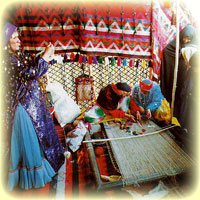
Day 5: In Kooh Rang region you will visit
the Bakhtiari nomads The Bakhtiari tribe, which numbered more than 1
million in 1997, inhabits an area of approximately 67,000 Km (25,000 Mi)
that straddles the central Zagros Mountains. They speak a dialect of
Persian called Luri, are Shiite Muslims, and about one third of the tribe
is nomadic. Their migration is among the most spectacular known (among
nomadic pastoralists anywhere
Day 6: Living with Bakhtiari nomads in the
region
Day 7: Move to Yasooj. On the way you will
visit the Zagros altitudes and become familiar with different Lor and Kurd
tribes. The Lor are considered the most intact tribe, retaining their
virility, robustness and tall stature. Mostly farmers and shepherds living
in the Luristan area
Day 8: Stay in Yasooj to visit the Qashqai
and Bakhtiari nomads
Day 9: Move to Shiraz. Shiraz is the capital
of Fars Province. Shiraz is traditionally known as the city of Roses and
Nightingales, but has become known in recent times as a seat of
intellectual learning. It was home to Sa'di and Hafez, the famed Persian
poets, and is considered the cradle of Persian Civilization. Enjoy your
tour with visits to the Eram Garden, the tombs of the Persian poets Saadi
and Hafiz, Nasirol-Molk Mosque, Afif-Abad Garden, the Church of Saint
Simon the Zealot, Vakil Complex, and the Shrine of
Shah-Cheragh "King of Light", noted for its dazzling mirror tiles
Day 10: Excursion tour to Persepolis and
Necropolis. Move to visit the Qashqai nomads in Kafe Namdoon.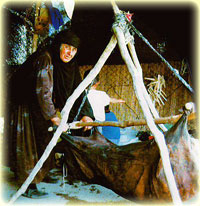
Day 11: Be with the Qashqais: The Qashqais
are the second largest Turk group in Iran. The Qashqais are a
confederation of several Turk-speaking tribes in Fars Province numbering
about 250,000 people. They are pastoral nomads who move with their herds
of sheep and goats between summer pastures in the higher elevations of the
Zagros south of Shiraz and winter pastures at low elevations north of
Shiraz. Their migration routes are considered to be among the longest and
most difficult of all of Iran's pastoral tribes. The majority of Qashqais
are Shi'aats. The total Turkish speaking population of Fars was estimated
to be about 500,000 in 1986n.
Day 12: Spending your time with the nomads
Day 13: Move back to Shiraz and fly back to
Tehran
Day 14: Transfer to the airport for your
international flight
Tour Request Process