

A Journey Through the Splendor of Isfahan
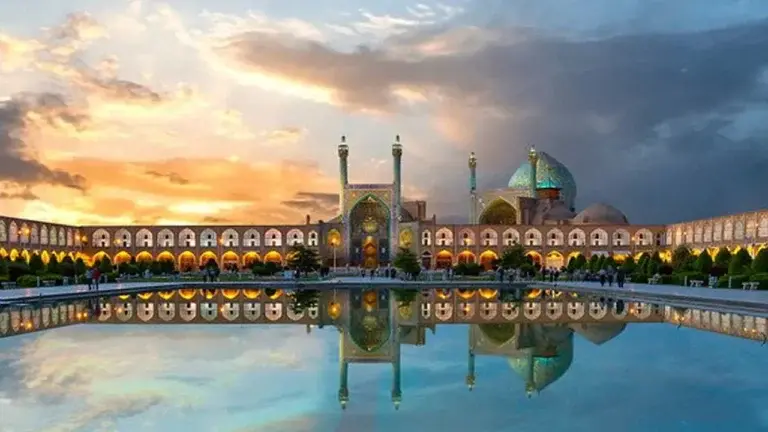
No trip to Isfahan is complete without visiting Naqsh-e Jahan Square, one of Iran’s most magnificent historical landmarks and a masterpiece of Persian architecture. Located in the heart of the city, this spectacular square welcomes thousands of visitors throughout the year, offering an unforgettable journey into Iran’s rich history, culture, and artistic heritage.
Also known as Imam Square or Meidan-e Emam, Naqsh-e Jahan Square was inscribed on UNESCO’s World Heritage List in 1979. Its name, which translates as "Image of the World," reflects the grandeur and beauty of this extraordinary historical complex.
Recognized as one of the largest public squares in the world, Naqsh-e Jahan has long been admired by travelers, historians, and architecture enthusiasts. The French traveler and jeweler Sir John Chardin was particularly impressed by its beauty, describing it as one of the most magnificent squares in the world.
The History of Naqsh-e Jahan Square
The construction of Naqsh-e Jahan Square began in 1598, during the reign of Shah Abbas I, when Isfahan was chosen as the capital of the Safavid Empire. The square was designed to serve as the political, cultural, commercial, and ceremonial center of the city.
During the Safavid period, it hosted royal celebrations, polo matches, military parades, public gatherings, and various cultural performances. Two historic stone polo goals, still preserved at opposite ends of the square, are valuable reminders of those magnificent days.
Today, Naqsh-e Jahan Square remains one of the finest examples of Safavid urban planning and a remarkable symbol of Iran’s architectural and cultural identity.
Architectural Masterpieces Surrounding Naqsh-e Jahan Square
Naqsh-e Jahan Square is a magnificent rectangular complex featuring a large central pool, beautiful fountains, and elegant two-story arcades. Four remarkable historical structures surround the square, each representing a different aspect of Safavid architecture and artistic excellence.
1. Sheikh Lotfollah Mosque
Built during the Safavid era under the supervision of architect Mohammad Reza Isfahani, the mosque is particularly famous for its exquisite tilework, intricate decorations, and remarkable dome. Its harmonious design and delicate patterns make it one of the finest examples of Persian-Islamic architecture.
2. Ali Qapu Palace
Standing proudly on the western side of Naqsh-e Jahan Square, Ali Qapu Palace is one of the most impressive royal residences of the Safavid period.
Commissioned by Shah Abbas I, this magnificent palace served as a royal residence and a venue for receiving foreign ambassadors and distinguished guests. Its impressive balcony overlooks the entire square, offering spectacular views of the surrounding monuments. The palace is also renowned for its beautiful decorations, intricate woodwork, and extraordinary music room.
3. Imam Mosque (Shah Mosque)
At the southern end of the square stands the magnificent Imam Mosque, also known as Shah Mosque. With its impressive dome, towering minarets, elaborate mosaics, and exquisite calligraphy, it is considered one of the greatest achievements of Persian-Islamic architecture.
Built during the reign of Shah Abbas I, this architectural masterpiece is particularly admired for its magnificent blue and turquoise tilework, intricate geometric patterns, and exceptional craftsmanship.
4. Qeysarie Gate and Isfahan Grand Bazaar
At the northern end of Naqsh-e Jahan Square, Qeysarie Gate marks the historic entrance to Isfahan's Grand Bazaar.
Dating back to the Safavid period, this impressive gateway connects the square to one of the oldest and most fascinating traditional marketplaces in Iran. Its historical architecture and decorative details make it an attraction in its own right.
Discover Traditional Handicrafts and Souvenirs of Isfahan
The traditional bazaar surrounding Naqsh-e Jahan Square is a paradise for anyone interested in Iranian arts and handicrafts. Walking through its lively passageways, you will discover numerous shops and workshops showcasing the creativity and craftsmanship of local artisans.
Some of the most popular souvenirs include Mina-kari (Persian enamelwork), Khatam-kari (Persian marquetry), copperware, turquoise jewelry, and Ghalamkari (traditional hand-printed textiles).
You can watch skilled artisans at work, explore their beautiful creations, and purchase unique souvenirs to take home. Every piece reflects a part of Isfahan's artistic heritage and makes a meaningful gift for friends and family.
Enjoy a Traditional Horse-Drawn Carriage Ride
One of the most charming experiences at Naqsh-e Jahan Square is taking a ride in a traditional horse-drawn carriage. These carriages travel around the square, offering visitors a relaxing way to admire its magnificent architecture and lively atmosphere.
As you pass the historic mosques, palace, and traditional arcades, you can imagine the grandeur of Isfahan during the Safavid era. It is a memorable experience and a wonderful opportunity to capture beautiful photographs of this iconic landmark.
Experience the Authentic Charm of Naqsh-e Jahan Square
Naqsh-e Jahan Square is much more than a historical attraction; it is a vibrant cultural destination where the past and present come together.
The square offers a fascinating atmosphere filled with the sounds of traditional workshops, the colorful displays of local handicrafts, and the daily activities of residents and visitors. You can spend hours exploring its historical monuments, shopping in traditional bazaars, enjoying the surrounding architecture, or simply relaxing beside the central pool.
Whether you are passionate about history, architecture, photography, traditional arts, or cultural experiences, Naqsh-e Jahan Square is a destination you should not miss during your visit to Iran.
Practical Information for Visiting Naqsh-e Jahan Square
Opening Hours: The square is accessible 24 hours a day. Individual monuments and museums have separate opening hours.
Address: City Center, Isfahan, Isfahan Province, Iran.
Recommended Time to Visit: Spring and autumn are particularly pleasant seasons to explore the square.
Main Attractions: Sheikh Lotfollah Mosque, Ali Qapu Palace, Imam Mosque, Qeysarie Gate, and Isfahan Grand Bazaar.
Naqsh-e Jahan Square is undoubtedly one of the highlights of any journey to Isfahan. Its magnificent architecture, fascinating history, and lively traditional atmosphere make it an unforgettable destination and a true reflection of Iran's cultural heritage.