

Iran’s Traditional School of Strength and Chivalry
Introduction to Zoorkhaneh
The Zoorkhaneh, Iran’s traditional house of strength, is much more than a place for physical exercise. For centuries, it has served as a center for developing physical strength, endurance, discipline, and moral character. Rooted in Iranian cultural traditions, Zoorkhaneh combines athletic training with music, poetry, spirituality, and the ideals of chivalry.
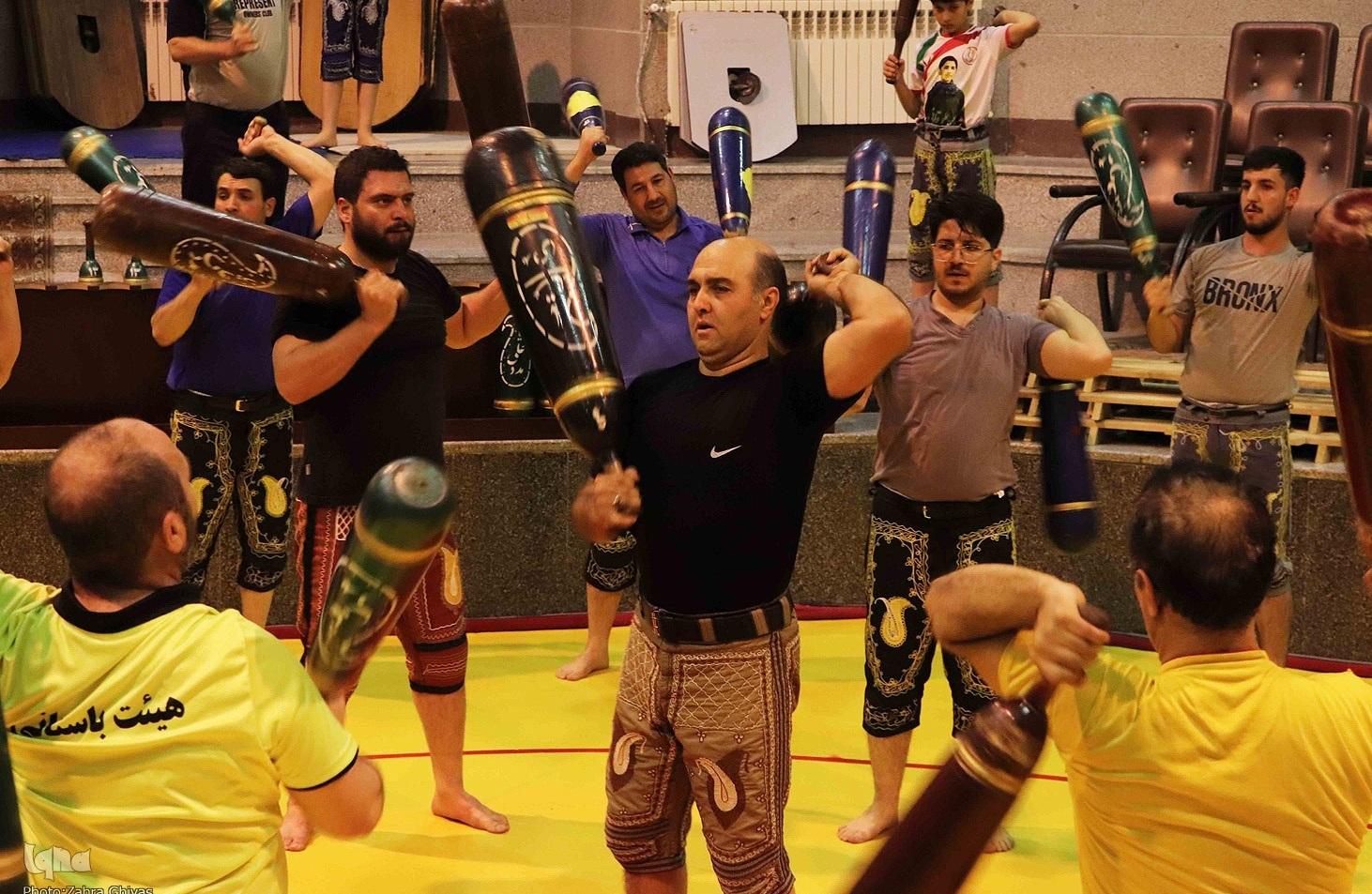
Historically, young men trained in the Zoorkhaneh to develop the physical abilities required for warfare and self-defense. Their training involved exercises with implements modeled on traditional weapons, while epic stories celebrated the courage and achievements of Iranian heroes who defended their homeland against invading forces.
Physical training was accompanied by the rhythmic beating of drums, the recitation of Persian poetry, and religious expressions associated with Shiism. These elements transformed the Zoorkhaneh into a distinctive institution in which physical development and cultural education were closely intertwined.
Today, Zoorkhaneh continues to attract practitioners and visitors interested in experiencing one of Iran’s most distinctive living traditions. Its enduring appeal lies in its combination of athletic performance, communal participation, and deeply rooted cultural values.
Zoorkhaneh: A Tradition of Physical and Spiritual Development
Practitioners of Zoorkhaneh come from different social backgrounds, united by their interest in physical training and traditional Iranian culture. Within this setting, participants challenge their physical limits through demanding exercises while developing discipline, perseverance, and respect for others.
The traditional Zoorkhaneh gathering is characterized by a distinctive atmosphere in which movement follows the rhythm of percussion instruments and the guidance of a master known as the Morshed. The Morshed leads the session through rhythmic drumming and the recitation of poetry, often drawing upon the Shahnameh, the celebrated Persian epic by Ferdowsi.
These poetic recitations do more than accompany the exercises. They reinforce the ethical principles associated with the Pahlavan, the ideal Iranian champion, whose strength is expected to serve justice, generosity, courage, and the protection of others.
In this tradition, physical power alone is not sufficient to define a true champion. Humility, honesty, self-control, and compassion are equally important. The Zoorkhaneh therefore functions not only as a place of athletic training but also as a setting for transmitting traditional values from one generation to the next.
The Historical Origins of Physical Training in Iran
Physical activity has been essential to human survival since prehistoric times. Hunting, self-defense, and the need to protect communities encouraged early societies to develop strength, coordination, and endurance. As settlements grew into towns and cities, organized physical training continued to play an important role in preparing individuals for military service and other demanding responsibilities.
Throughout Iranian history, communities faced periods of conflict, invasion, and political instability. Defending settlements and protecting their inhabitants required more than fortifications and weapons; it also depended on the physical preparedness and courage of those responsible for their defense.
These needs contributed to the development of physical exercises using specialized equipment and implements inspired by traditional weapons. Training helped participants improve their strength, agility, balance, and stamina, while competition provided opportunities to demonstrate and refine their abilities.
Although the precise historical development of the Zoorkhaneh remains a subject of scholarly discussion, the institution reflects a long-standing relationship between physical training, martial traditions, and ideals of personal honor in Iranian culture.
Over time, these practices became associated with the figure of the Pahlavan, a champion whose identity extended beyond athletic achievement to include ethical conduct and service to the community.
The Pahlavan: The Ideal Iranian Champion
The Pahlavan occupies a prominent place in Iranian cultural memory. Traditionally associated with courage, physical prowess, generosity, and integrity, the Pahlavan represents an ideal in which strength must be accompanied by moral responsibility.
A true Pahlavan is expected to demonstrate skill and determination without arrogance, to remain steadfast in the face of adversity, and to use personal abilities to help others. Dishonesty, cruelty, and the abuse of power are incompatible with this ideal.
The relationship between athletic achievement and moral character has helped distinguish Zoorkhaneh from purely competitive forms of physical training. Although strength and endurance remain essential, the broader objective is the cultivation of a disciplined individual who respects others and contributes positively to society.
The ideals of the Pahlavan are also reflected in Persian epic literature, where heroic figures are frequently tested not only by their physical abilities but also by their loyalty, wisdom, and sense of justice.
Similar heroic archetypes appear in the epic traditions of other cultures. Rostam in Persian literature, Achilles in Greek mythology, Siegfried in Germanic legend, and Roland in French epic poetry embody different cultural interpretations of bravery and heroism. Their stories demonstrate the enduring importance of the heroic figure in shaping collective identity and cultural values.
Ferdowsi and the Legacy of the Shahnameh
One of the most important literary sources for understanding Iranian heroic ideals is the Shahnameh, or Book of Kings, composed by the Persian poet Ferdowsi around the turn of the eleventh century.
Drawing upon earlier Iranian legends, oral traditions, and historical narratives, Ferdowsi created an epic poem of approximately 50,000 couplets. The work traces the history of the world and the legendary kings of Iran from mythical beginnings to the fall of the Sasanian Empire in the seventh century.
The Shahnameh is widely regarded as a cornerstone of Persian literary heritage. Its stories preserve themes of courage, loyalty, justice, sacrifice, and the struggle against tyranny. For generations of Iranians, the poem has provided an enduring connection to the country’s legendary past and cultural identity.
Among its many celebrated characters, Rostam stands out as one of the most powerful and memorable heroes. His extraordinary strength, military skill, and complex personal struggles have made him a lasting symbol of Iranian heroism.
The epic also reflects the historical importance of martial skills in the traditional image of the ideal warrior. Horsemanship, archery, the handling of weapons, and physical endurance feature prominently in its accounts of kings and champions.
Some traditional narratives associate the promotion of martial training with the Sasanian king Ardashir I, whose reign began in the third century CE. Such accounts illustrate the cultural importance attached to military preparedness and the expectation that young men should develop the skills necessary to defend their communities.
However, references to ancient martial practices should be distinguished from direct evidence for the origins of the modern Zoorkhaneh. The precise relationship between ancient Iranian training traditions and the institution as it exists today requires careful historical interpretation.
Traditional Wrestling and the Art of Single Combat
Wrestling has a long-standing place in Iranian sporting culture. Known in Persian as koshti, it has traditionally been associated with strength, technique, courage, and the testing of physical ability.
In accounts of ancient warfare and heroic competition, warriors demonstrated their skills through archery, swordsmanship, the use of clubs, and hand-to-hand combat. Wrestling could serve as a means of resolving a contest when neither opponent had established a decisive advantage through other forms of combat.
Persian epic literature frequently portrays individual duels between distinguished warriors. These encounters often receive detailed descriptions, emphasizing the courage, tactical skill, and determination of the participants.
Ferdowsi’s Shahnameh contains numerous memorable confrontations in which the outcome of a personal duel carries consequences for families, armies, or entire kingdoms. Such episodes transform physical combat into a dramatic test of character, honor, and responsibility.
The heroic imagery of these encounters is often vivid, comparing warriors to powerful animals and emphasizing the intensity of their struggles. Through such descriptions, readers gain insight into the cultural significance of martial excellence in the Iranian epic tradition.
Beyond their literary importance, wrestling and other forms of traditional athletic competition have served social functions. Demonstrations of skill could earn recognition, strengthen bonds among participants, and reinforce ideals of discipline and courage.
In the Zoorkhaneh, wrestling and strength-building exercises form part of a wider tradition in which athletic ability is valued alongside respect, self-restraint, and ethical conduct.
Spirituality and Moral Values in Iranian Tradition
The relationship between strength and moral responsibility also has parallels in ancient Iranian religious thought. Zoroastrianism places considerable emphasis on the struggle between truth and falsehood, order and disorder, and the forces of good and evil.
Ahura Mazda is the supreme deity associated with wisdom and goodness in Zoroastrian tradition, while Angra Mainyu, also known as Ahriman, represents destructive opposition to the good order of existence.
These religious concepts provide a broader cultural context for understanding the association between courage, discipline, and the defense of what is right. Although Zoroastrianism and the religious practices associated with the later Zoorkhaneh belong to different historical contexts, both can be explored in relation to the ethical importance of responsible action.
The Zoorkhaneh developed within a complex historical and religious environment, and its present-day practices reflect multiple layers of Iranian cultural history. Its ceremonies, poetry, and communal traditions combine physical exercise with spiritual expression and ethical instruction.
The emphasis on humility, generosity, and the protection of others remains central to the traditional image of the Pahlavan. Strength is understood not as an end in itself but as an ability that should be exercised with wisdom and moral purpose.
Zoorkhaneh Today: Preserving Iran’s Intangible Cultural Heritage
Today, Zoorkhaneh remains an important expression of Iranian cultural heritage. Its distinctive combination of athletic exercises, traditional music, epic poetry, and communal participation preserves practices that have been transmitted and adapted across generations.
A traditional Zoorkhaneh session brings together several elements: the rhythmic beat of the drum, the guidance of the Morshed, coordinated physical exercises, and recitations that celebrate the courage and wisdom of legendary Iranian heroes. Together, these elements create an experience that connects physical performance with literature, music, and cultural memory.
For visitors to Iran, attending a Zoorkhaneh performance offers an opportunity to discover a side of the country’s heritage that extends beyond its famous archaeological sites, historic mosques, and architectural monuments. It provides a closer look at the living traditions through which communities express and preserve their cultural identity.
The Zoorkhaneh also demonstrates that traditional sports can serve purposes beyond competition. Through its emphasis on discipline, solidarity, generosity, and respect, it presents a model of physical education rooted in a broader ethical tradition.
The enduring ideal of the Pahlavan captures the essence of this heritage: a person whose strength is balanced by humility, whose courage is guided by integrity, and whose achievements are measured not only by personal success but also by service to others.
More than a traditional gymnasium, the Zoorkhaneh is a living cultural institution in which the physical and spiritual dimensions of Iranian tradition meet. Its continued practice offers a valuable connection to Iran’s literary heritage, historical memory, and enduring ideals of strength and chivalry.